Build an ownership folder you can hand over
An ownership folder should help the next authorised person understand the vehicle without exposing unnecessary personal information.
An ownership folder should help the next authorised person understand the vehicle without exposing unnecessary personal information. Organise it around identity, maintenance and current responsibilities.
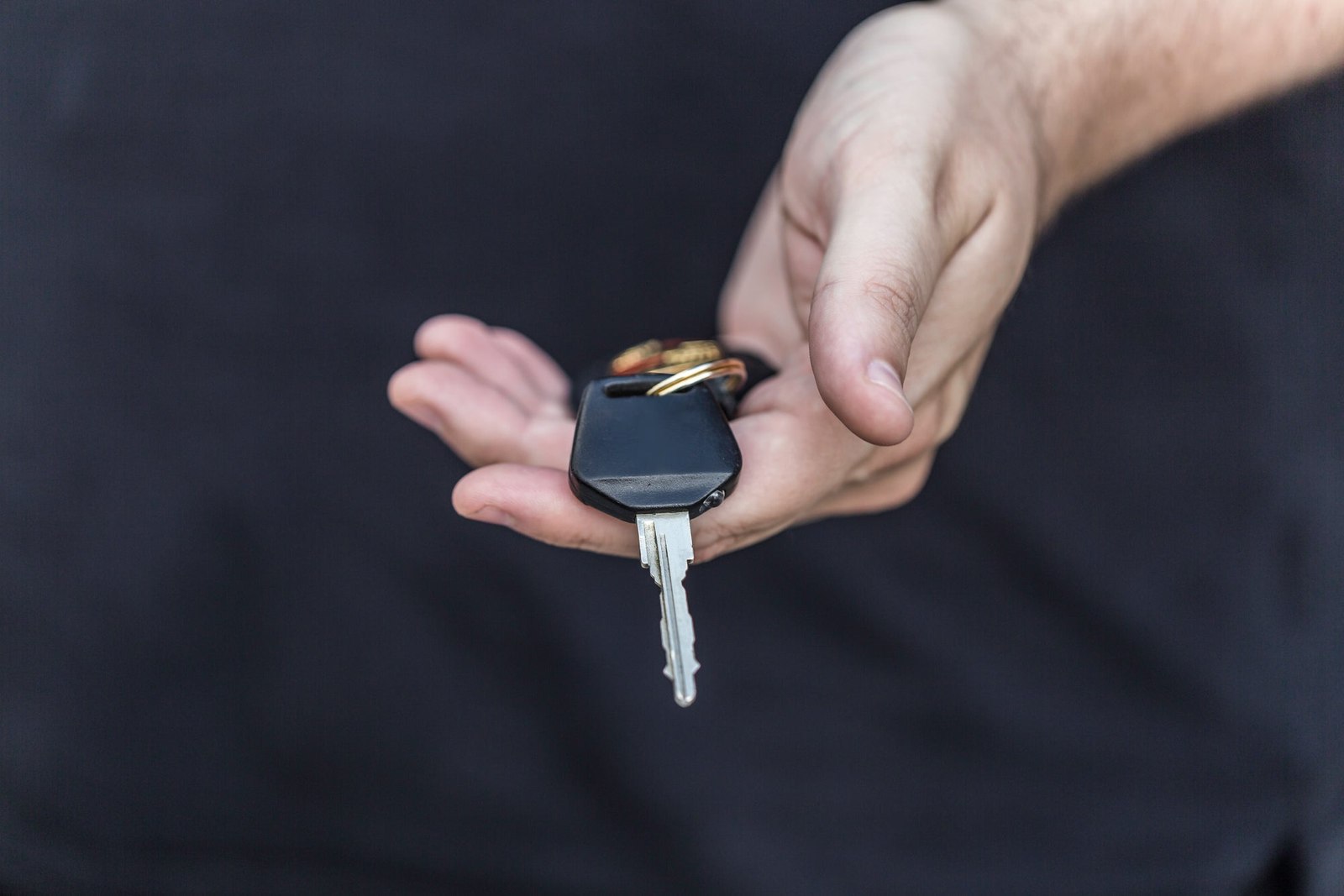
Keep registration and ownership documents according to local requirements, with secure copies where appropriate. Store purchase records, service information and the exact owner's manual in clearly named sections. Do not leave sensitive records or spare keys in an unsecured vehicle simply to keep everything together.
Make the current position clear
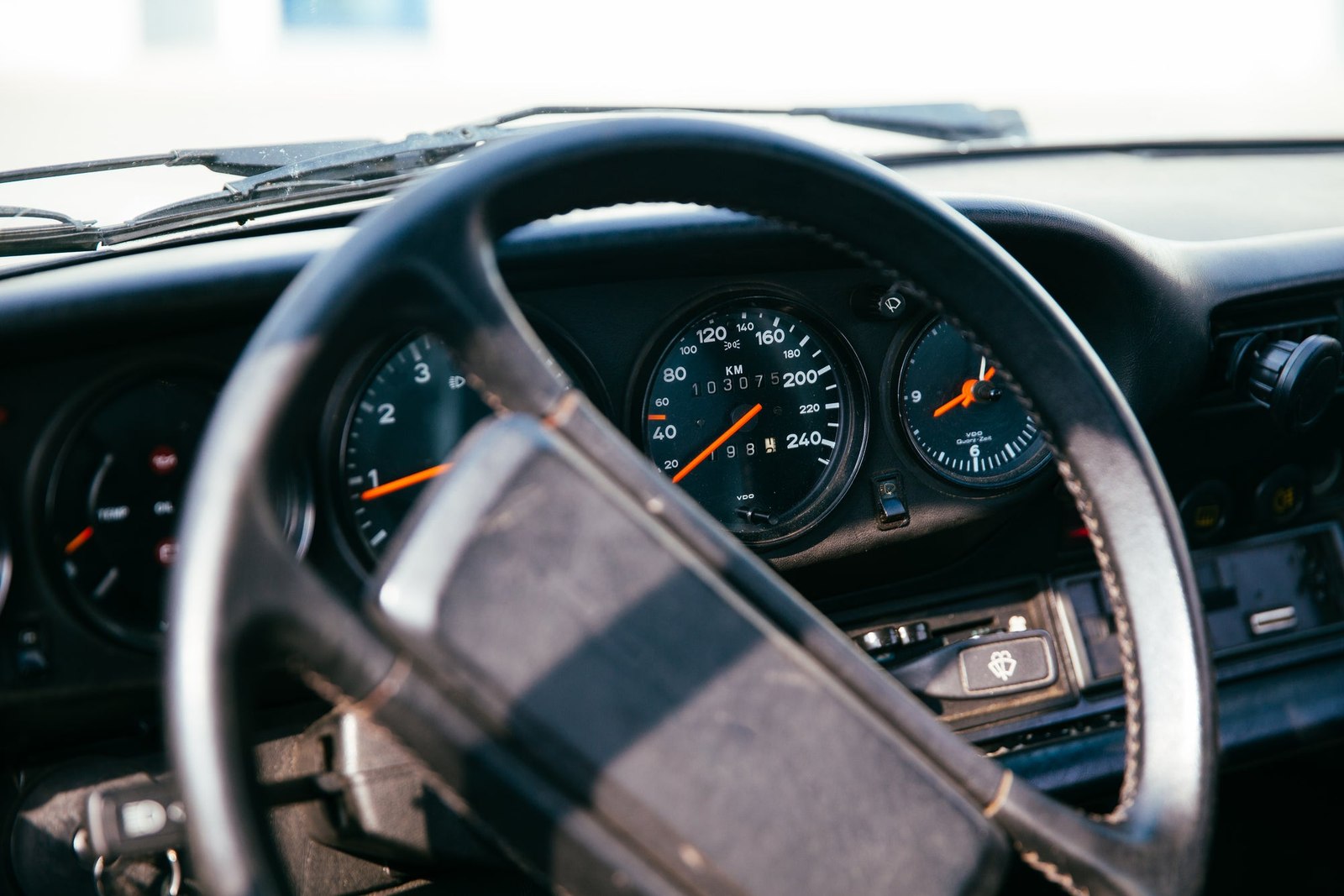
Separate completed work from recommendations and future bookings. Record dates and references so a proposed repair is not mistaken for one already carried out. Retain invoices and relevant warranty terms rather than reducing them to an unsupported checklist tick.
For digital files, use descriptive names, suitable security and a tested backup. Keep the folder usable without a single person's memory of where a receipt was saved. Avoid including passwords or full payment credentials.
When transferring the car, check which records should pass to the new owner and redact unrelated personal details where appropriate. Follow official procedures for the change of ownership and any connected services. The folder is valuable because it supports accurate questions and continuity. It should describe what is known and documented, while leaving uncertain history clearly identified.