The Cabin
Start with seat adjustment before judging cabin space
Cabin space is difficult to judge before the seat is set for the person using it.
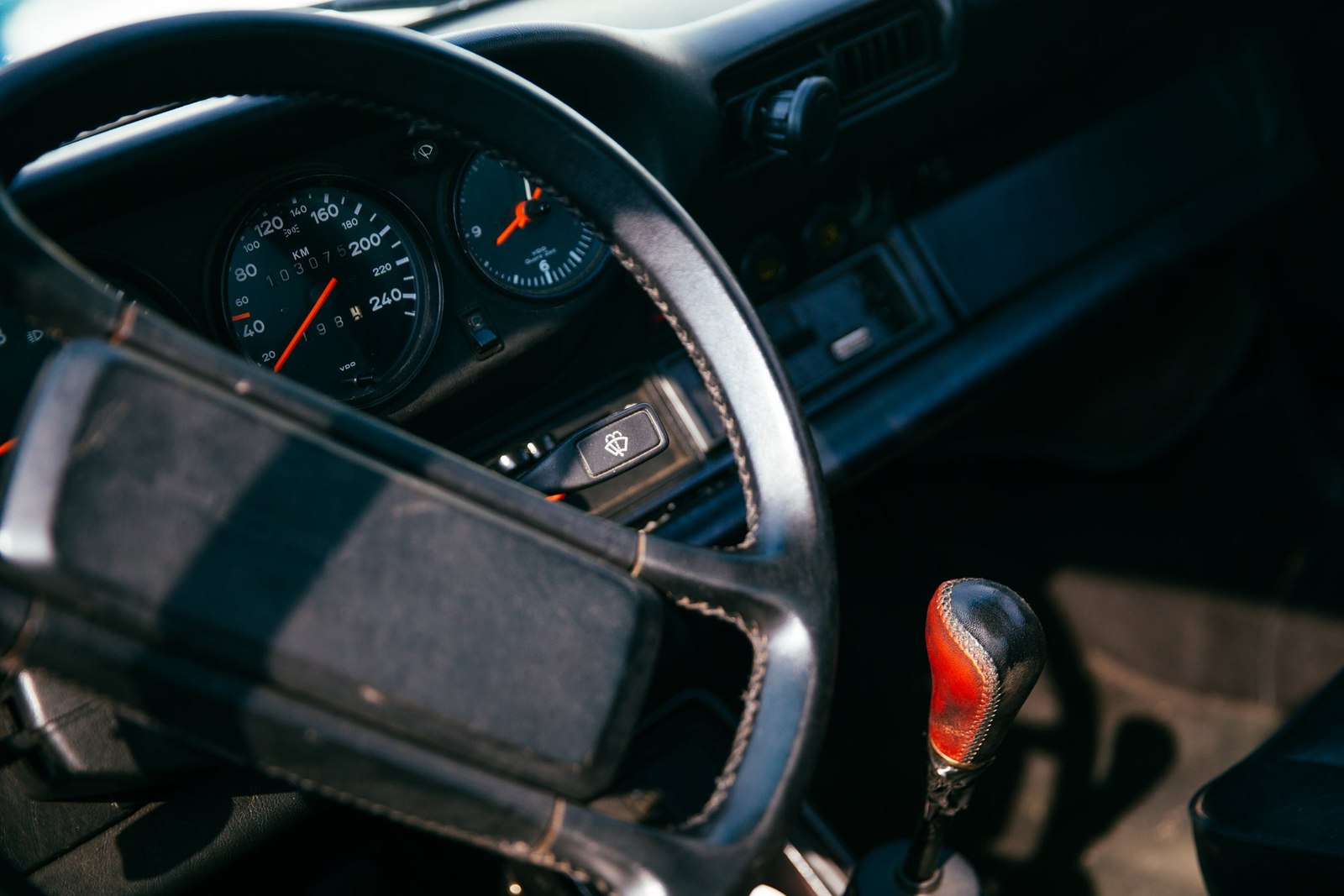
Try a broader search or choose another section.
Cabin space is difficult to judge before the seat is set for the person using it.
A quoted luggage capacity does not tell you whether your particular load will fit.

An unfamiliar control should be understood while the car is stationary.
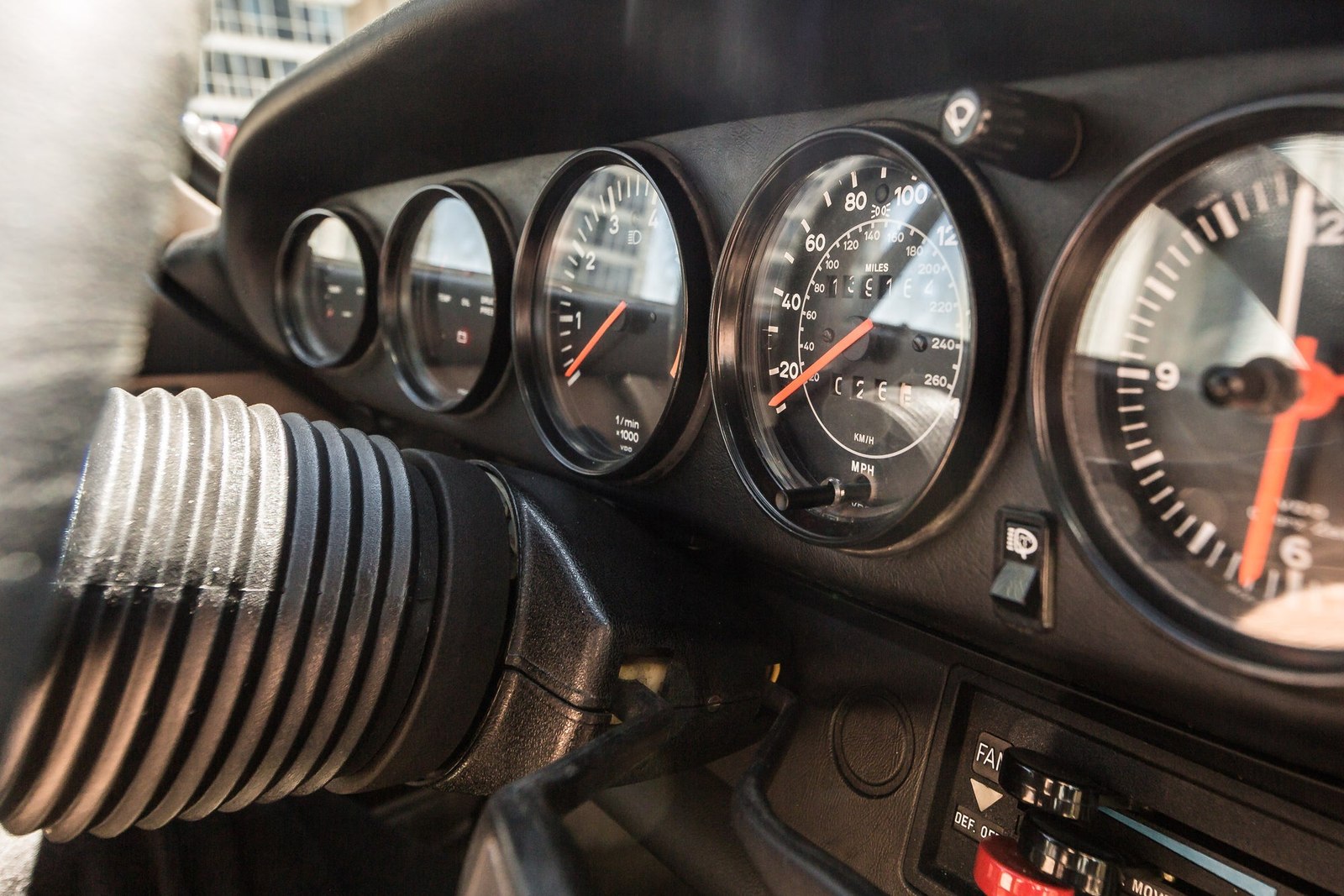
A stationary visibility check helps you identify questions for a proper vehicle assessment.

Cabin storage is useful when it fits the objects you carry and keeps them in an appropriate place.

A short map of the owner's manual helps you find the right instructions without replacing them.

Read a service record in order, with dates, mileage and the work described kept together.

Used-car photographs are useful for preparing questions.

Tyre information belongs with the exact vehicle and its approved specification.

An ownership folder should help the next authorised person understand the vehicle without exposing unnecessary personal information.

A wheel-size option changes more than the side view of a car.

Dashboard feature names can sound similar while describing different capabilities.
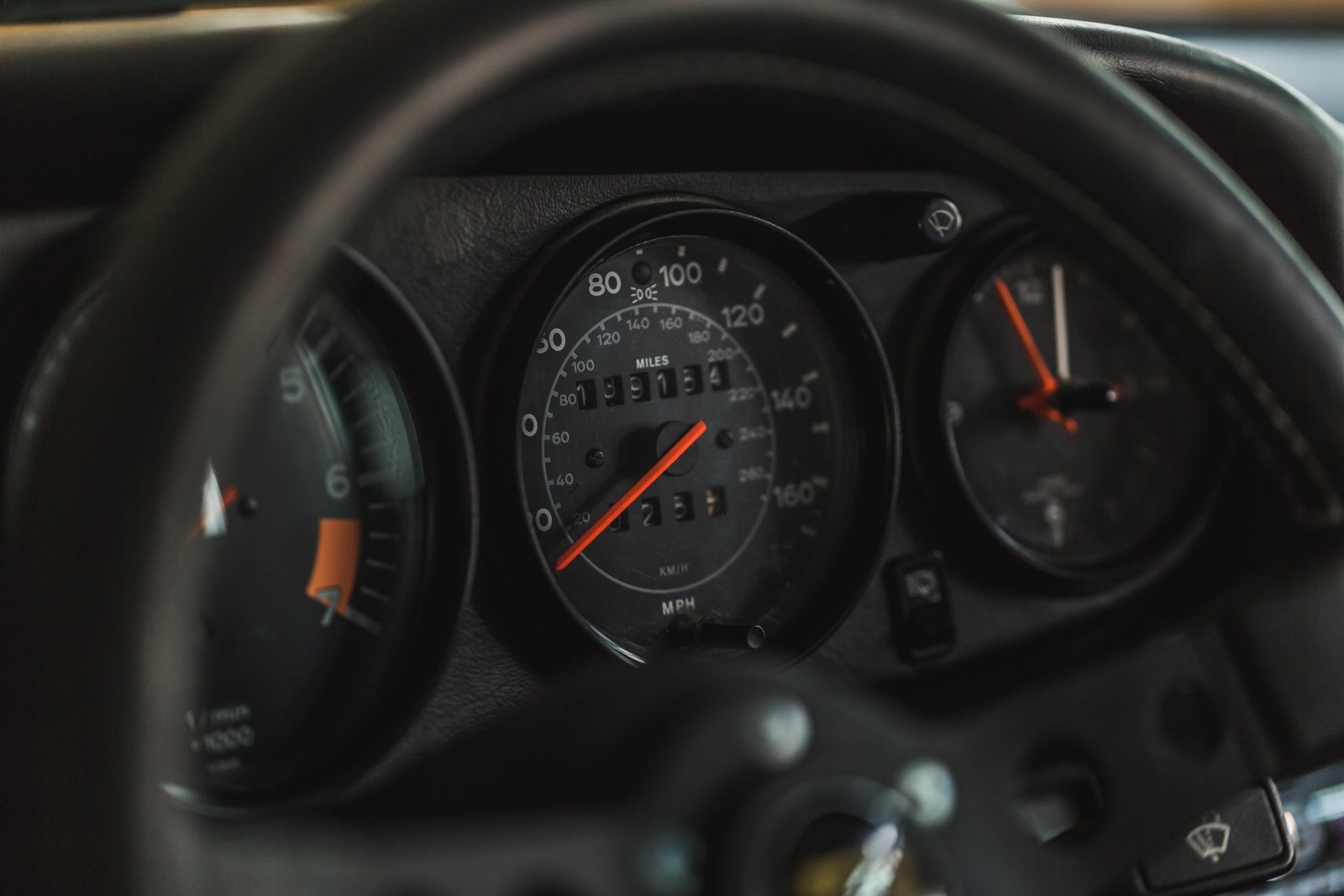
Interior wear can be described without guessing who caused it.
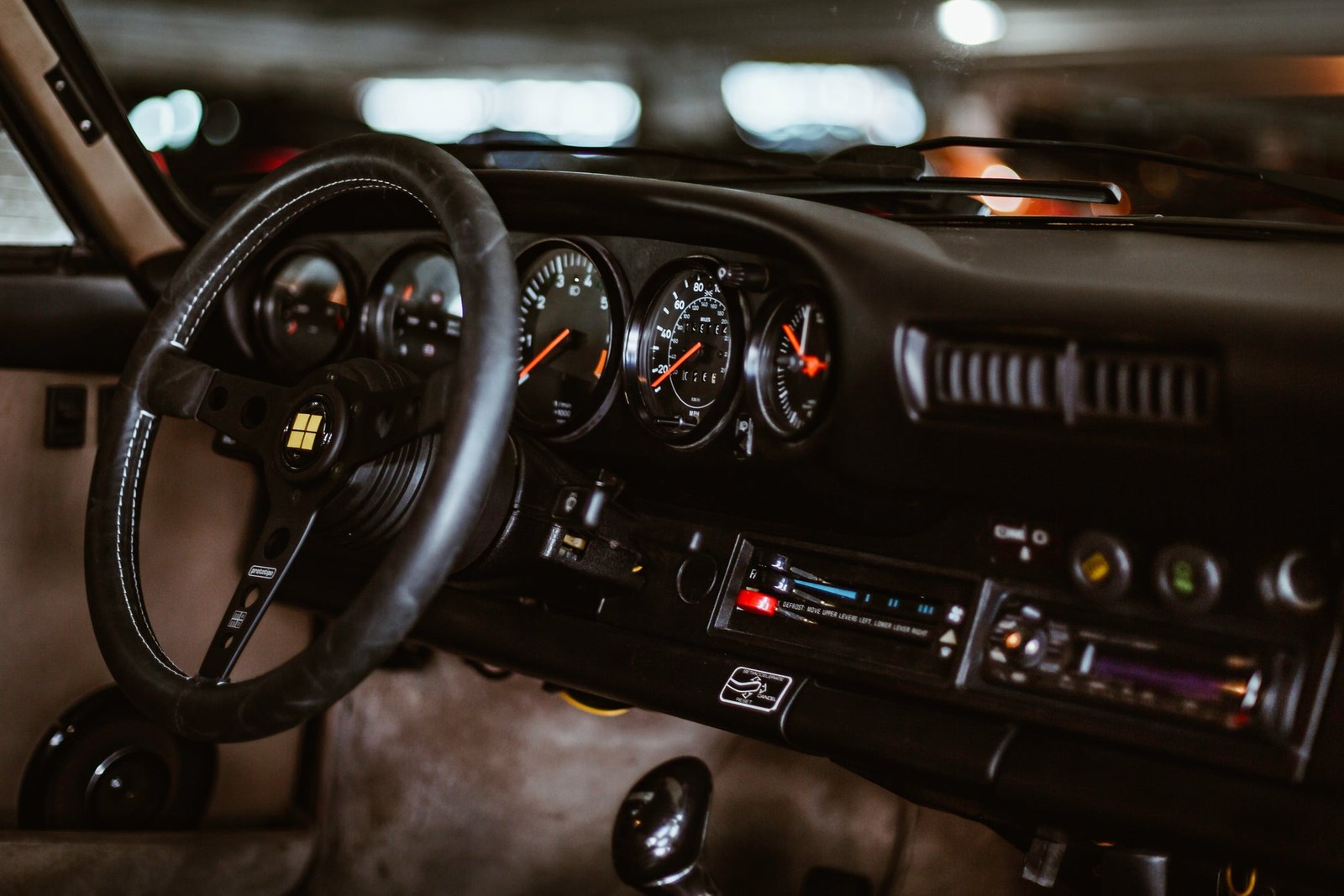
Body-style names are convenient labels, but the outline can tell you more about the space a vehicle occupies.

A parked car still needs room for people to get out.

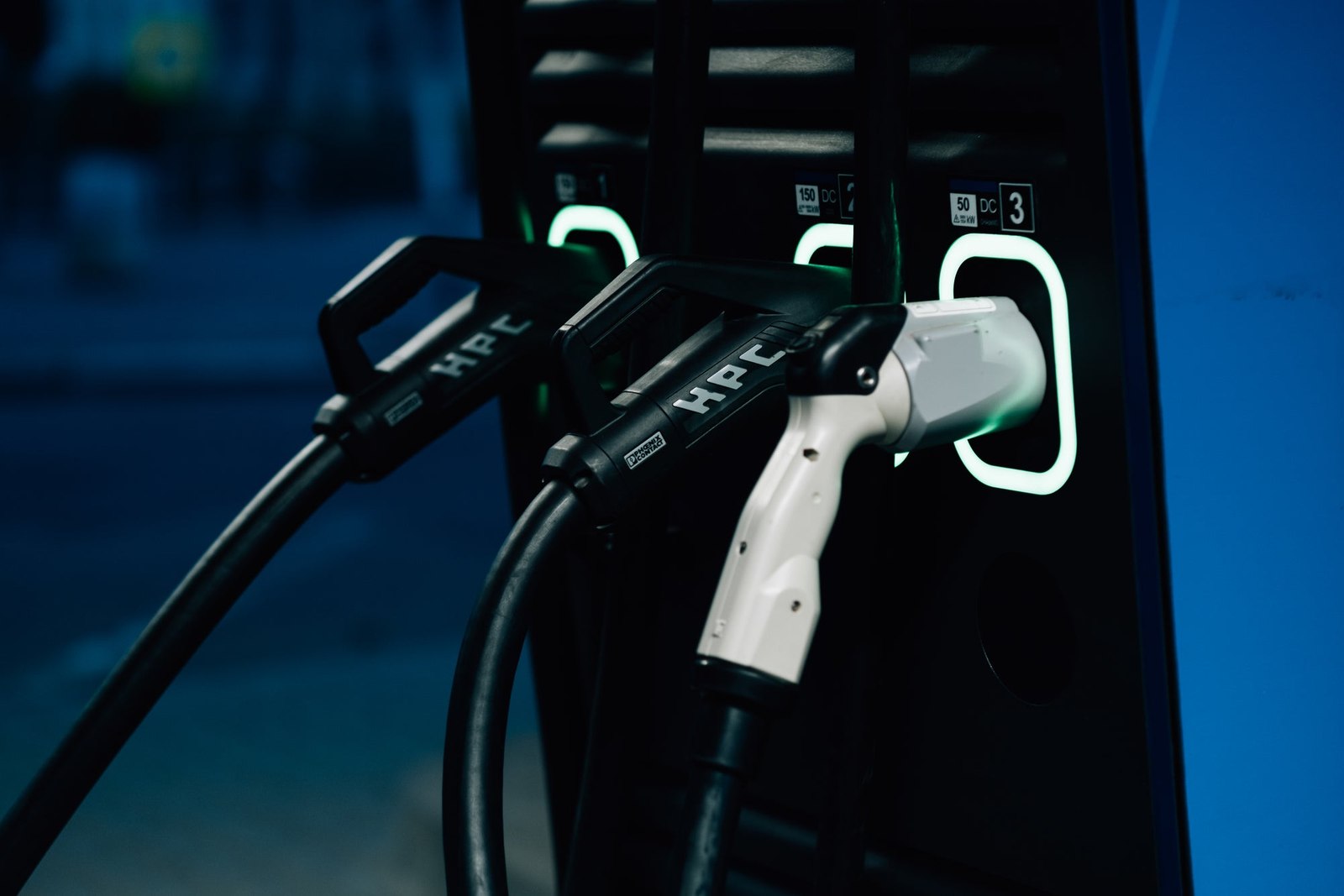
A charging-route plan should show what needs verifying, not simply a line of charger icons.
Range figures are meaningful only with their stated context.

A test-drive brief should contain a few questions the drive can reasonably answer.

A parking bay is only one part of the manoeuvre.

Packing a car starts with the load on paper.