Keep range figures in their stated context
Range figures are meaningful only with their stated context.
Range figures are meaningful only with their stated context. Keep the test method, vehicle configuration and source beside the number.
Use official specifications for the exact version, including relevant options. Do not compare a laboratory figure for one car with an anecdotal journey in another as though they measure the same thing. Record the date of the information and distinguish manufacturer claims from independently described tests.
Compare conditions before conclusions
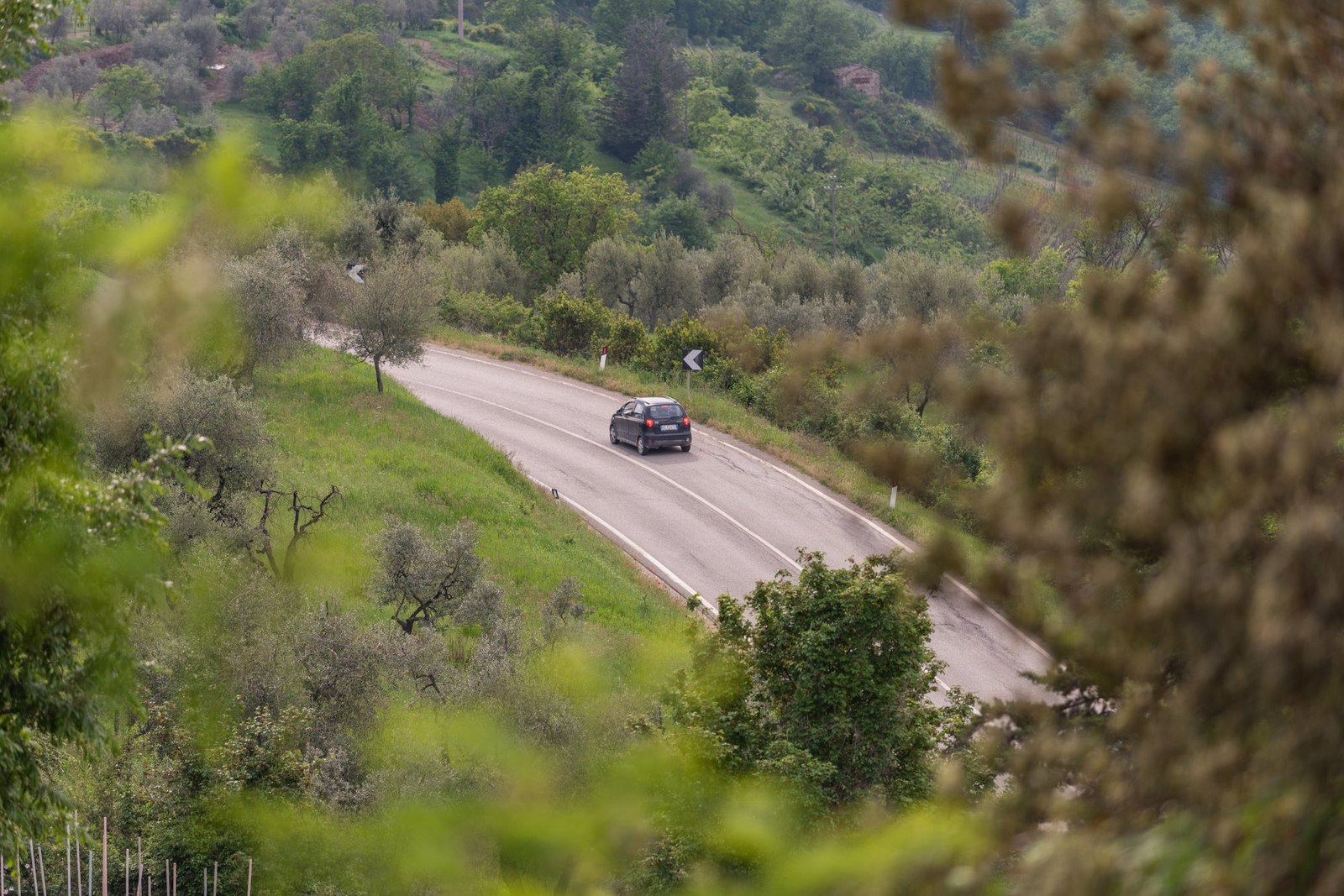
Look for the route, temperature, load and driving conditions reported with a real-world result. Missing details limit what you can infer. One driver's experience can raise a useful question without predicting your journey.
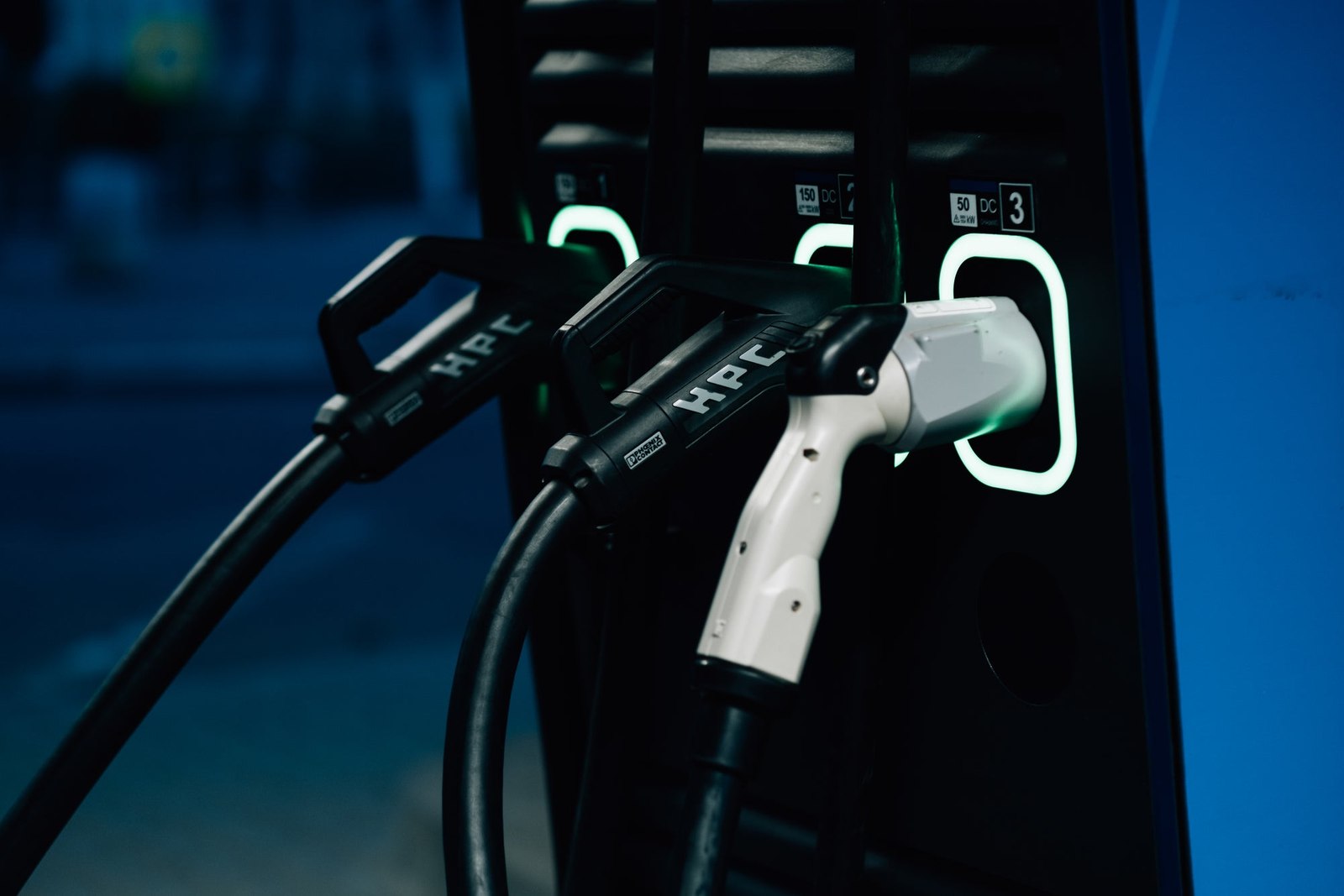
For planning, follow the vehicle's guidance and use current route and charging information where relevant. Leave suitable options rather than building an itinerary around achieving the headline figure exactly. Seek qualified advice when a technical interpretation affects a purchase.
Write the comparison in a way that preserves the caveat. “Rated under this method” or “reported on this journey” is clearer than presenting all numbers in one unlabelled column. The purpose is not to identify a universally correct range. It is to understand what each figure describes and whether that evidence helps judge the journeys you actually expect to make.