Describe interior wear without guessing the cause
Interior wear can be described without guessing who caused it.
Interior wear can be described without guessing who caused it. Start with the location, appearance and extent of the mark.
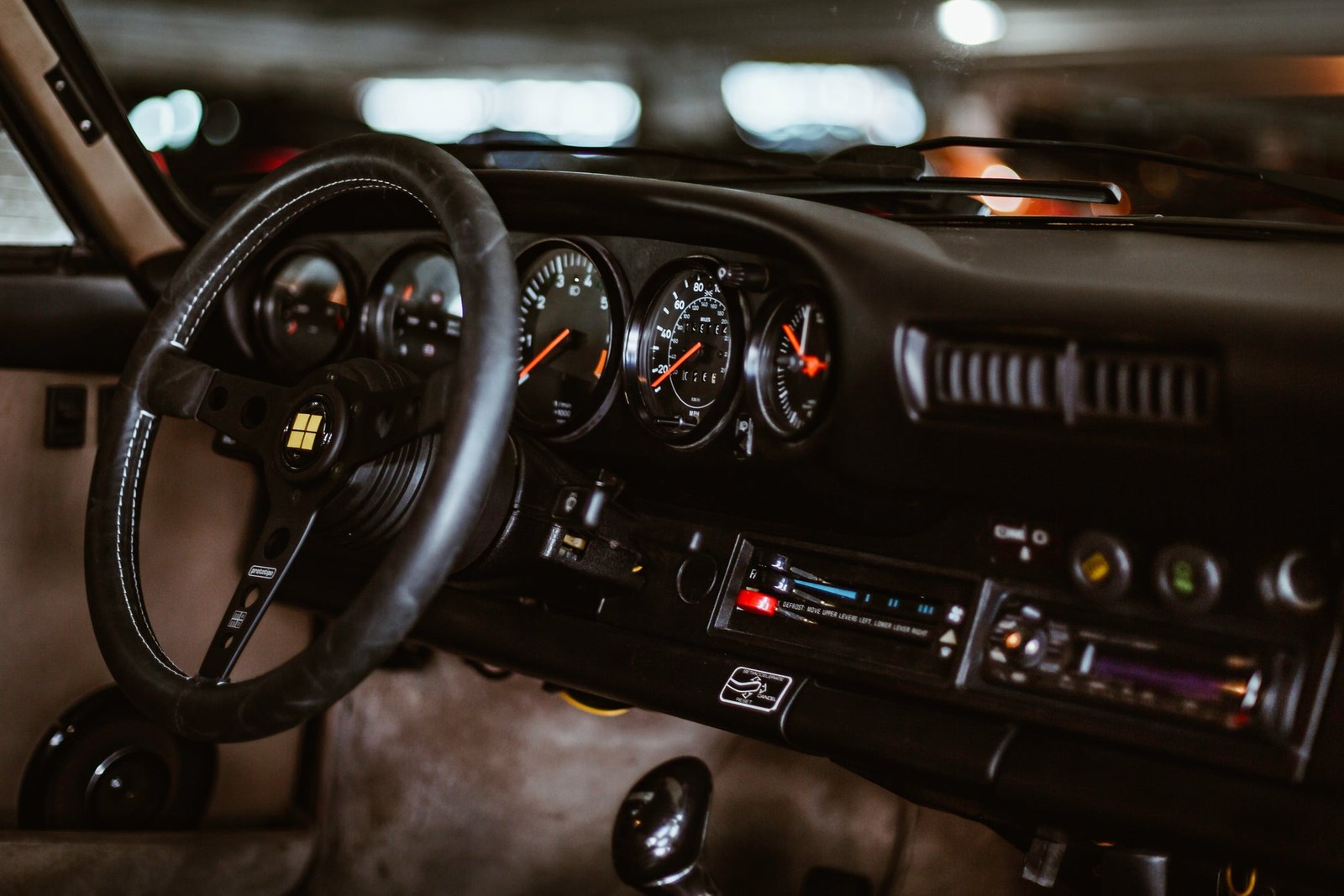
Look in consistent light and distinguish a reflection from a visible change in the surface. Note whether the area is polished, scuffed, cracked or discoloured, using cautious language where material identification is uncertain. Do not apply cleaning products or press on a vulnerable part without permission and suitable guidance.
Compare related areas
A clear overall view helps place a close-up in context. Check neighbouring seams and surfaces without dismantling anything. A photograph of one seat edge does not establish the condition of the complete cabin.
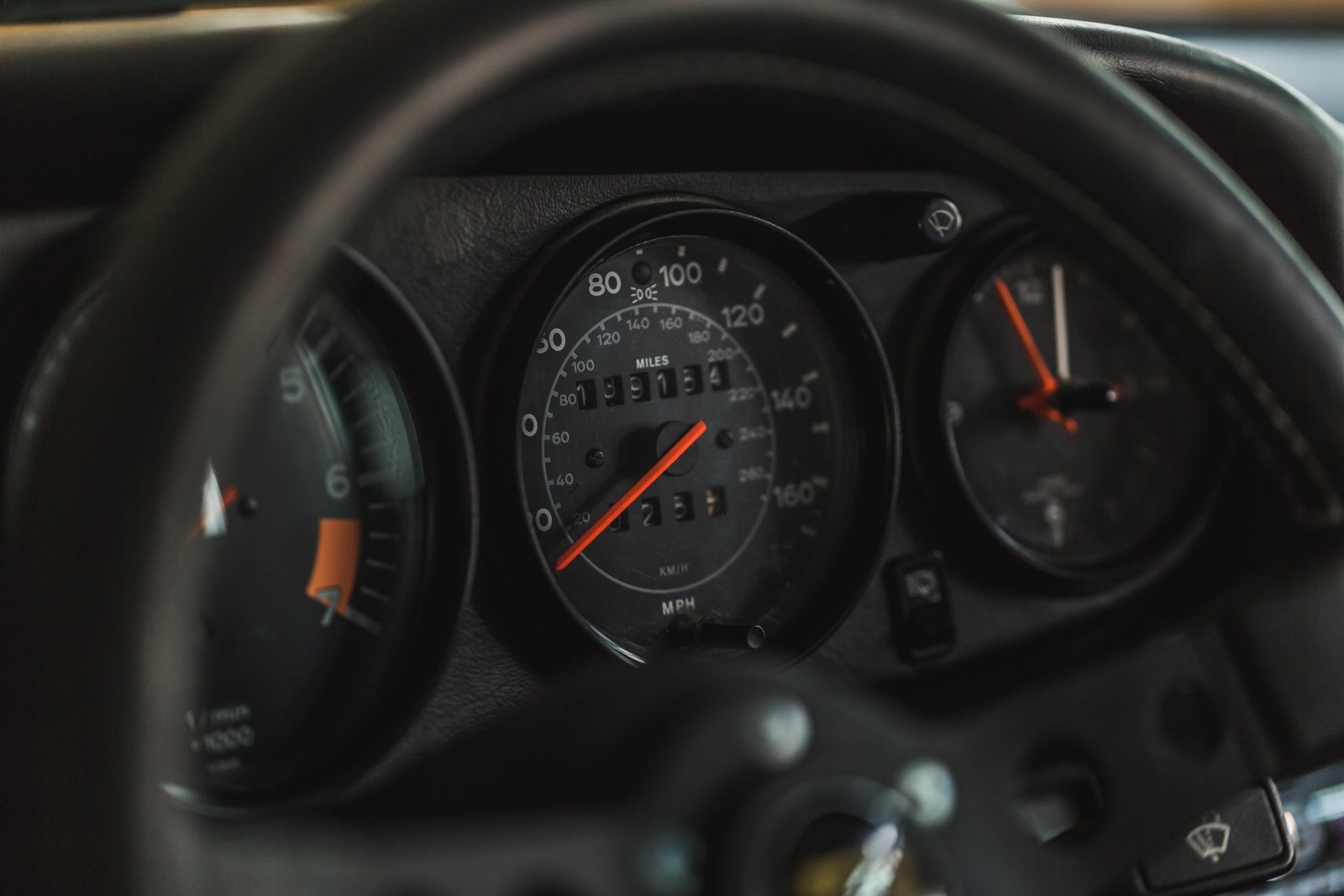
Ask the seller about repairs or treatment and keep their answer as a statement to verify. Wear alone cannot reliably establish mileage, ownership habits or mechanical condition. A replaced part can look newer without resolving the history of the rest of the car.
If the issue affects a purchase, ask a qualified inspector or appropriate repair specialist about its significance and realistic options. Record the exact vehicle and date of observation. A useful description makes a later conversation more precise. It should not turn an ordinary scuff into a dramatic story or a newly cleaned surface into evidence that the vehicle has had an easy life.