Make a visibility checklist for a stationary car
A stationary visibility check helps you identify questions for a proper vehicle assessment.
A stationary visibility check helps you identify questions for a proper vehicle assessment. It cannot prove how safely a car will behave in moving traffic.
Set the driving position and mirrors according to the owner's manual. In a safe, permitted location, notice the view through the windows and the areas obscured by pillars, head restraints or cargo. Do not ask someone to stand in a vehicle's path for an informal demonstration.
Include ordinary conditions
Consider what changes when passengers occupy the rear seats or the luggage cover is fitted. Check how the rear window and mirrors can be kept clear using the specified controls. If cameras or sensors are present, read their limitations rather than treating the display as a complete view of the surroundings.
Write down specific questions: where the front corner is difficult to judge, for example, or whether a rear head restraint affects a view. Ask the dealer or a qualified instructor for an appropriate explanation or supervised demonstration.
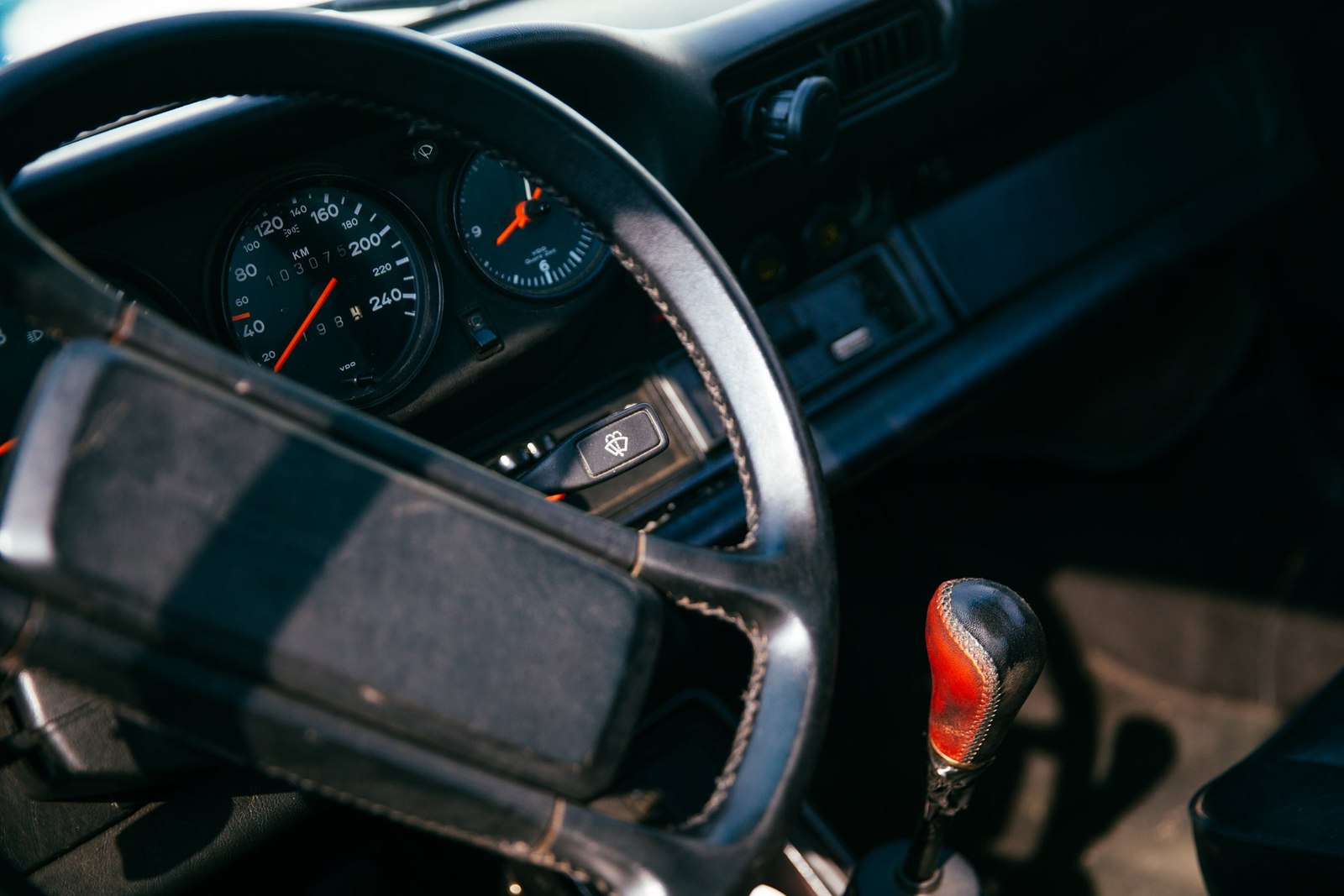
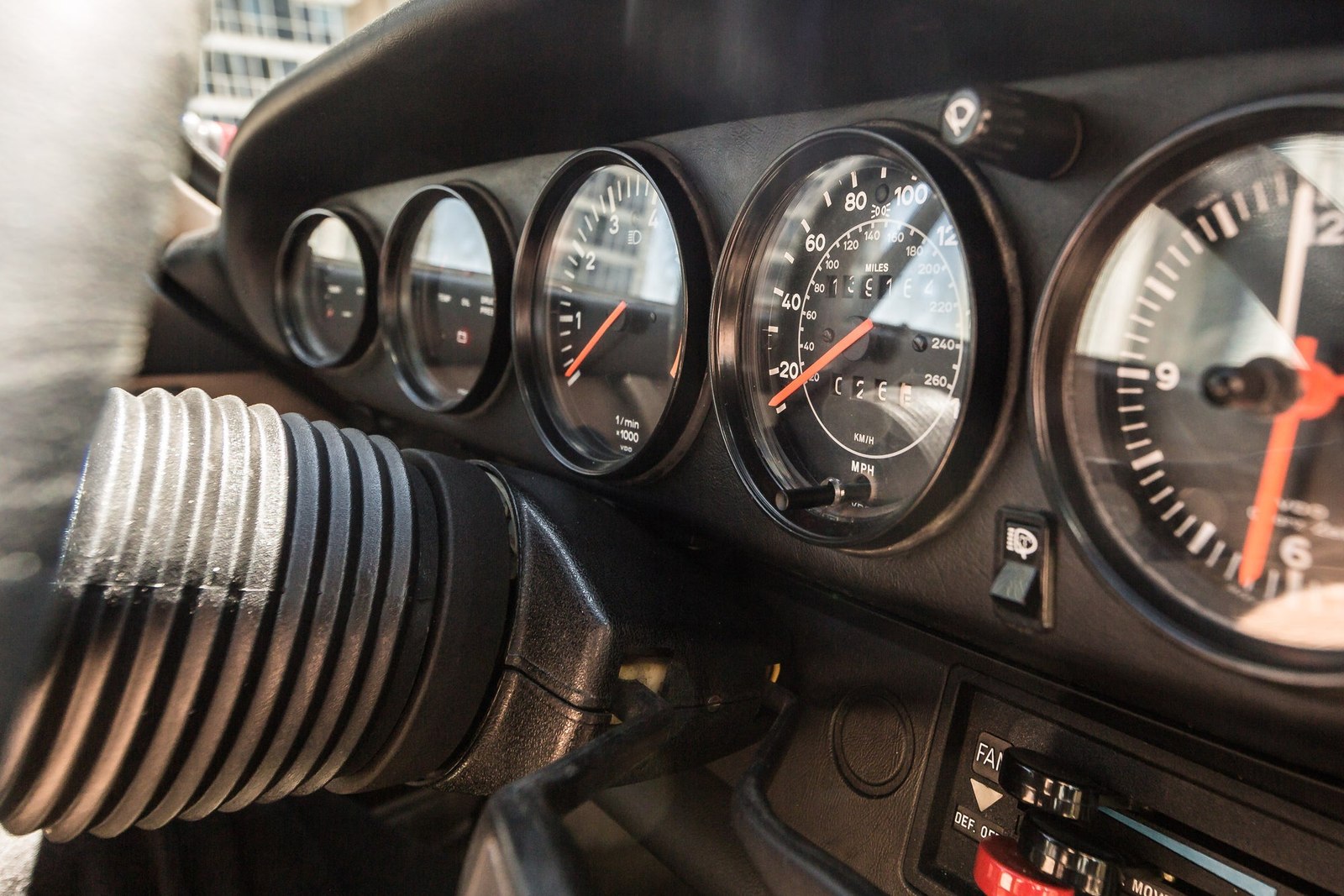
Keep the observations tied to the exact vehicle and seating arrangement. Photographs taken with a wide lens can make the view appear more open than it feels from the seat. The checklist is useful because it guides further assessment, not because a stationary look can certify visibility for every manoeuvre or driver.